
Why Individual Visitor Credentials Matter
Summary: Shared and borrowed access credentials undermine security. This article looks at how Aregnum’s individual visitor codes close the gaps that shared credentials create.
Access security is undermined when credentials are shared or borrowed. If the means of entry can be passed around, lent out, or used by someone other than the person it was issued to, then the community cannot really know who is entering, because the credential no longer reliably identifies the person using it. Shared and borrowed access creates gaps in the community’s knowledge of who is entering, which undermine security. Closing these gaps, so that access reliably identifies the person entering, is part of maintaining genuine access security, which individual visitor credentials support.
The problem with shared or borrowed credentials is that they break the link between the credential and the person. Access security depends on the credential identifying the person using it, so that the community knows who is entering, but when a credential is shared or borrowed, this link is broken: the person entering is not necessarily the person the credential identifies. This breaks the community’s knowledge of who is entering, creating a gap where someone unknown may enter on a credential issued to another. The breaking of the link between credential and person is the fundamental problem that shared and borrowed access creates, undermining the community’s knowledge of who is actually entering.
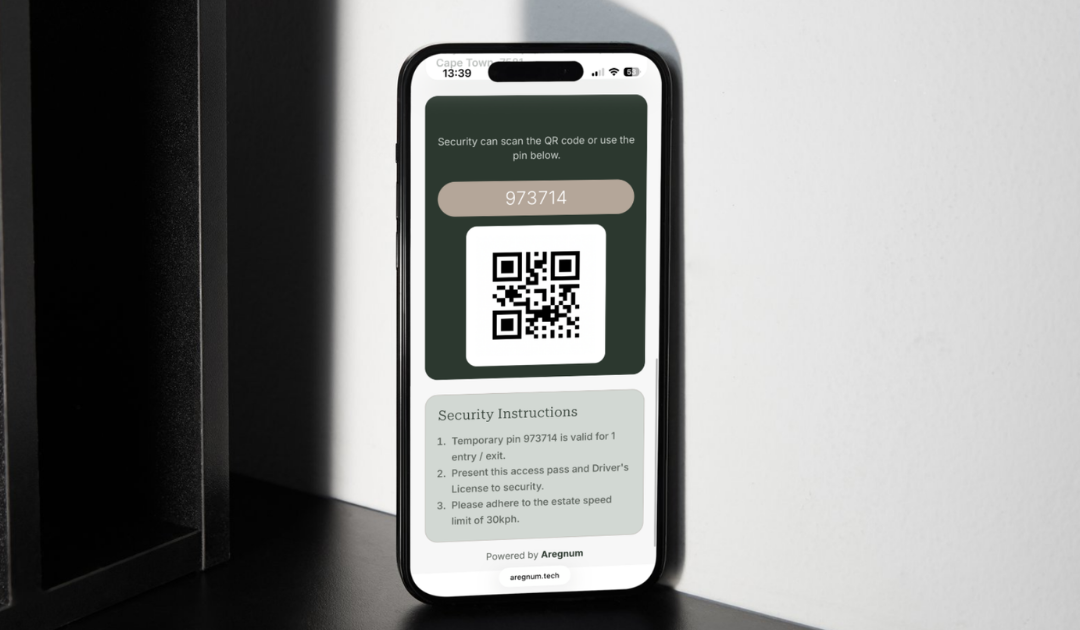
Aregnum’s visitor codes support individual, purpose-specific access that resists this problem. Because visitor codes are issued for a specific visitor and visit, pre-registered by a host, they are tied to a particular expected visitor rather than being general credentials to be shared around. This purpose-specific nature means each code corresponds to a specific expected visit, which supports the link between the access and the intended visitor. By issuing access specific to a visitor and visit rather than general shareable credentials, the platform’s approach resists the sharing and borrowing that undermine the link between access and person, helping close the gaps that shared credentials create.
Issuing access for a specific visitor and visit means the access corresponds to an intended, known visit rather than a general permission. When a host pre-registers a specific visitor for a specific visit, the resulting code corresponds to that intended visit, so the community knows who is expected to use it and for what. This is different from a general credential that could be used by anyone, because the visitor code is tied to the specific expected visit the host arranged. This correspondence between the access and a specific intended visit is what allows the community to know who each code is for, supporting its knowledge of who is entering and resisting the anonymity that shared general credentials create.
The host’s authorisation of each specific visit keeps the access accountable, which shared credentials undermine. Because each visitor code is authorised by a host for a specific visit, the access is accountable to the host who arranged it, tied to a responsible resident and a known intended visit. Shared or borrowed general credentials, by contrast, are not accountable in this way, because they are not tied to a specific authorised visit. The host authorisation of each visit is what keeps the visitor access accountable, ensuring that each admitted visit corresponds to a host’s authorisation rather than an anonymous use of a shared credential, which supports the accountability that shared access undermines.
Recording each visit against its specific authorisation maintains the community’s knowledge of who entered, closing the knowledge gap. Because each visit is recorded against the specific visitor and host it was arranged for, the community’s record reflects who was expected and admitted, maintaining its knowledge of who entered. This is what shared credentials undermine, because they leave no reliable record of who actually used them, whereas visitor codes tied to specific visits produce a record that reflects the intended visitor. This recording against specific authorisation is what closes the knowledge gap that shared access creates, maintaining the community’s reliable knowledge of who entered rather than the uncertainty that shared credentials produce.
Closing the gaps that shared and borrowed access create strengthens the community’s genuine security, which depends on knowing who enters. A community that knows who is entering, because its access reliably corresponds to specific authorised visitors, has genuine security, whereas one whose access is shared and borrowed has gaps in this knowledge that undermine it. By supporting individual, purpose-specific, host-authorised access, the platform helps the community close these gaps, maintaining the reliable knowledge of who enters that genuine security depends on. This strengthening of the community’s security, by closing the gaps that shared access creates, is the fundamental benefit of individual visitor credentials, which support security by keeping access reliably tied to known visitors.
The way purpose-specific access limits the consequences if a code is misused, compared with a shared general credential, is worth drawing out, because a code tied to a specific visit is more contained. If a general shared credential is misused, it may grant broad, ongoing access, whereas a visitor code tied to a specific visit is limited to that visit, so its misuse is more contained. This containment means that purpose-specific access limits the potential harm compared with shareable general credentials, because the access each code grants is specific and limited rather than broad and ongoing. This limiting of consequences is part of the security benefit of purpose-specific visitor access, ensuring that even in the event of misuse, the access involved is contained to a specific visit rather than the broad access a shared general credential would represent.
The way individual, host-authorised access supports the community’s ability to trace access to its source is worth noting, because each code leads back to a host and a specific visit. Because each visitor code is authorised by a host for a specific visit, any access can be traced back to the host who arranged it and the visit it was for, which supports the community’s ability to account for and investigate access. Shared credentials, by contrast, cannot be traced to a responsible source in this way, because they are not tied to a specific authorisation. This traceability, where each visitor access leads back to a host and a specific visit, is part of the security benefit of individual credentials, giving the community the ability to trace access to its source that shared credentials, being untraceable to a responsible authorisation, would deny it.
Access security is undermined when credentials are shared or borrowed, breaking the link between the credential and the person and creating gaps in the community’s knowledge of who is entering. Aregnum’s visitor codes support individual, purpose-specific, host-authorised access that resists this, tying each code to a specific expected visit and recording it against its authorisation. For a community wanting genuine access security, closing the gaps that shared and borrowed access create is essential, and individual visitor credentials help do so by keeping access reliably tied to known, authorised visitors, maintaining the knowledge of who enters that genuine security depends on.
Frequently Asked Questions
Why do shared or borrowed credentials undermine security?
They break the link between the credential and the person. Access security depends on the credential identifying who is entering, but when it is shared or borrowed, the person entering is not necessarily the one it identifies, creating a gap in the community’s knowledge of who is entering.
How do individual visitor codes help?
Visitor codes are issued for a specific visitor and visit, pre-registered by a host, so they are tied to a particular expected visit rather than being general shareable credentials, which supports the link between the access and the intended visitor and resists sharing and borrowing.
How does host authorisation keep access accountable?
Because each visitor code is authorised by a host for a specific visit, the access is accountable to the host who arranged it and tied to a known intended visit, whereas shared general credentials are not, ensuring each admitted visit corresponds to a host’s authorisation.
How does this close the knowledge gap?
Each visit is recorded against the specific visitor and host it was arranged for, so the community’s record reflects who was expected and admitted, maintaining reliable knowledge of who entered rather than the uncertainty that shared credentials, leaving no reliable record, produce.
See Aregnum in action
Ready to turn your community into an effortless, secure haven? Book a demo and we will show you how Aregnum fits your property.