
Serving Both Who Owns and Who Lives There
Summary: In many buildings, owners and tenants are different people with different needs. This article looks at how Aregnum serves both owners and the tenants who occupy their units.
In many apartment buildings, the person who owns a unit and the person who lives in it are not the same. Units are let out, so a building’s population includes both owners, some of whom live elsewhere, and tenants, who occupy the units but do not own them. These two groups have different relationships to the building and different needs from it, and a building that serves both well must recognise the distinction. Serving both the owner, with their stake in the property, and the tenant, with their daily occupation of it, is part of managing a building where ownership and occupation are often separate.
The tenant’s relationship to the building is one of daily living. The tenant occupies the unit, uses the building’s facilities, receives visitors, needs to communicate about maintenance and building matters, and experiences the building day to day. Their needs are the practical ones of living in the building: access, visitor management, maintenance requests, communication about things affecting their daily life. The tenant, though not the owner, is the one actually living in the building, and serving their practical daily needs is central to their experience of the building as their home.
The owner’s relationship, when they do not occupy the unit, is one of investment and responsibility rather than daily living. An owner who lets out their unit has a stake in the property, an interest in how the building is managed and how it performs, and responsibilities as a member of the body corporate, but they do not experience the building’s daily life directly. Their needs are for visibility of their investment, involvement in the building’s governance, and information about matters affecting their property, rather than the daily practical matters that concern the tenant. The owner’s relationship is at one remove, focused on their stake rather than their occupation.
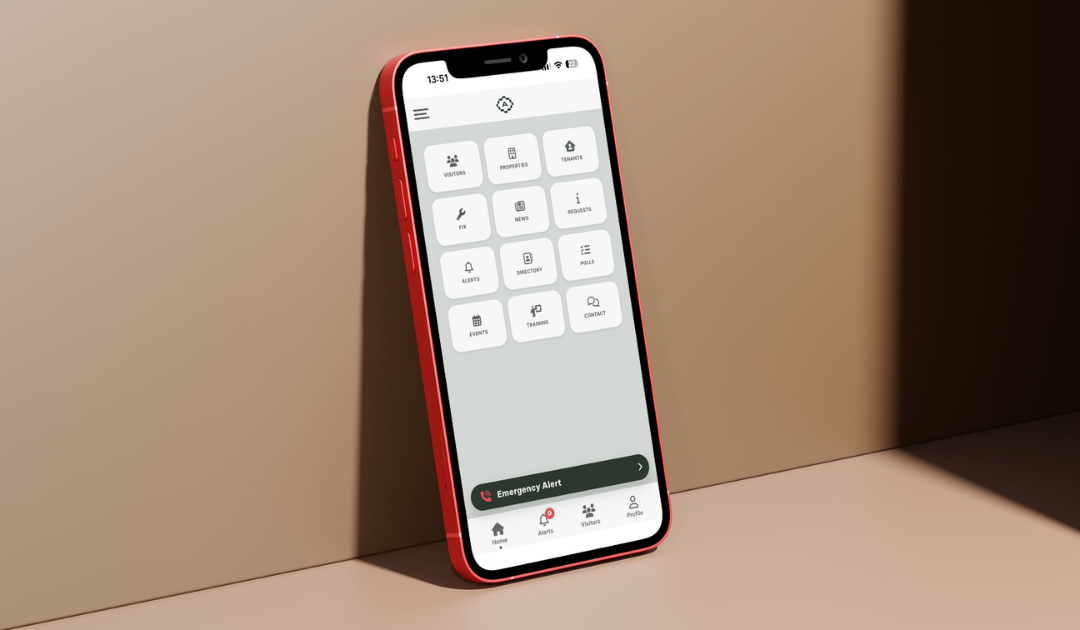
Aregnum serves both through a platform accessible to the building’s stakeholders according to their roles. The tenant, occupying the unit, can use the platform’s practical features for daily living: access, visitor management, maintenance requests, communication. The owner, with their stake in the property, can have the visibility and involvement appropriate to their role as an owner. Because the platform is cloud-based and accessible to stakeholders wherever they are, both the occupying tenant and the possibly-absent owner can engage with it according to their differing relationships to the building.
Serving the tenant’s daily needs well is important because the tenant is the one living in the building, and their experience matters. A tenant who can easily manage their access, arrange their visitors, report maintenance and stay informed experiences the building as well run and their home as well managed, which matters to them and, through them, to the owner whose property they occupy. The platform’s practical features serve the tenant’s daily life, which is central to the tenant’s satisfaction and, since a satisfied tenant is a benefit to the owner, to the owner’s interest too.
Serving the owner’s need for visibility and involvement supports their responsible ownership at a remove. An owner who can stay informed about their building and involved in its governance, despite not living there, can fulfil their responsibilities as an owner and protect their investment, which is what they need from the building even though they do not occupy it. The platform’s accessibility lets the owner maintain the visibility and involvement their role requires, so they are not disconnected from the building their property is part of. This serves the owner’s distinct relationship to the building, which is real even though it is not one of daily living.
Recognising and serving both relationships is what allows a building with separated ownership and occupation to function well for everyone with a stake in it. A building that serves only occupants neglects its absent owners, while one that serves only owners neglects its tenants, and a building where ownership and occupation are often separate needs to serve both. By serving the tenant’s daily needs and the owner’s need for visibility and involvement, the platform supports both groups appropriately, which is what allows the building to work well for its whole community of owners and occupants alike, recognising that these are often different people with different needs.
The importance of keeping owner and tenant information appropriately distinct is worth noting, because the two have different relationships to the unit and different information needs. A tenant needs the information relevant to occupying the unit, while an owner needs the information relevant to owning it, and a well-managed building keeps these appropriately distinct rather than confusing them. Recognising that the occupant and the owner are different parties with different needs, and serving each appropriately, is part of managing a building where units are let, ensuring that each party receives what is relevant to their relationship to the unit. This appropriate handling of the owner-tenant distinction is part of what allows the building to serve both parties well rather than treating them as one.
The communication between owners and their tenants, and between the building and both, is smoother when the building’s platform serves both appropriately. A building where both owners and tenants are connected to the platform can communicate with each appropriately, and the arrangement supports the flow of information that a let unit requires, between the building, the owner, and the occupying tenant. This is better than a building that is connected only to occupants or only to owners, which leaves gaps in the communication that a let unit needs. By serving both owners and tenants, the platform supports the fuller communication that a building with let units requires, ensuring that both the party who owns and the party who occupies are appropriately connected and informed.
In many apartment buildings, owners and tenants are different people with different relationships to the building: the tenant living there daily, the owner holding a stake at a remove. Aregnum serves both through a platform accessible according to their roles, giving tenants the practical features for daily living and owners the visibility and involvement their ownership requires. For a building where ownership and occupation are often separate, serving both the tenant who lives there and the owner who holds the stake is what allows the building to function well for everyone with an interest in it, recognising and meeting their distinct needs.
Frequently Asked Questions
How do owners’ and tenants’ needs differ?
The tenant occupies the unit and needs practical features for daily living: access, visitor management, maintenance requests and communication. The owner, when not occupying, needs visibility of their investment and involvement in governance, a relationship at one remove focused on their stake rather than daily occupation.
How does Aregnum serve both?
Through a platform accessible to stakeholders according to their roles: the occupying tenant uses the practical daily-living features, while the owner has the visibility and involvement appropriate to their role, both able to engage because the platform is cloud-based and accessible wherever they are.
Why does serving the tenant’s daily needs matter?
The tenant is the one living in the building, and a tenant who can easily manage access, arrange visitors, report maintenance and stay informed experiences their home as well managed, which matters to them and, since a satisfied tenant benefits the owner, to the owner too.
How does the platform serve absent owners?
Its accessibility lets an owner stay informed about the building and involved in its governance despite not living there, so they can fulfil their responsibilities and protect their investment, serving the owner’s distinct relationship to the building even though it is not one of daily living.
See Aregnum in action
Ready to turn your community into an effortless, secure haven?