Giving Guards and Managers a Clear Operational Picture
Summary: Security teams can only act on what they can see. This article looks at how Aregnum’s centralised dashboard and real-time information equip estate security personnel to do their job well.
An estate’s security is only as good as the information its security team has to work with. Guards at the gate, security personnel monitoring the estate, and the managers coordinating them all depend on knowing what is happening: who is expected, who has entered, what the access systems are showing, where attention is needed. When this information is fragmented, delayed or unavailable, even a capable security team is hampered, forced to work partly blind. Equipping a security team with a clear, current operational picture is therefore fundamental to the estate’s security being effective.
The problem in many estates is that security information is scattered and disconnected. The access control shows one thing, the cameras another, the visitor records a third, and there is no consolidated view that brings these together for the people responsible for security. A guard may not readily know whether an arriving visitor is expected; a manager may not have a clear picture of the estate’s current security situation. This fragmentation means the security team is working with pieces rather than a whole, which undermines their ability to make good decisions and respond effectively.
Aregnum addresses this by providing a centralised dashboard for estate managers, security personnel and trustees, bringing the estate’s access and security information together in one place. Rather than security staff juggling disconnected systems, the dashboard consolidates the picture, giving the people responsible for security a unified view of what is happening. This consolidation is what equips a security team to work from a clear operational picture rather than assembling fragments under pressure, which is the foundation of effective security work.
The integration of access control information into this dashboard means security personnel can see access activity across the estate’s various systems in one view. Because Aregnum integrates with cameras, fingerprint scanners, electric fences and RFID tags through APIs, the dashboard can bring together what these various systems show, giving security staff a consolidated picture of access and perimeter activity. This unified view is far more useful to a security team than separate systems that each show only part of the picture, because security situations rarely respect the boundaries between systems.
Real-time information is what makes the dashboard operationally useful rather than merely a record. Security is a matter of the present moment, and a security team needs to know what is happening now, not what happened earlier. Aregnum’s real-time monitoring means the dashboard reflects the current situation, allowing security personnel to react promptly to anomalies as they arise. This currency is essential, because a security team acting on stale information is acting on a picture that may no longer be true, while one working from real-time information can respond to the actual current situation.
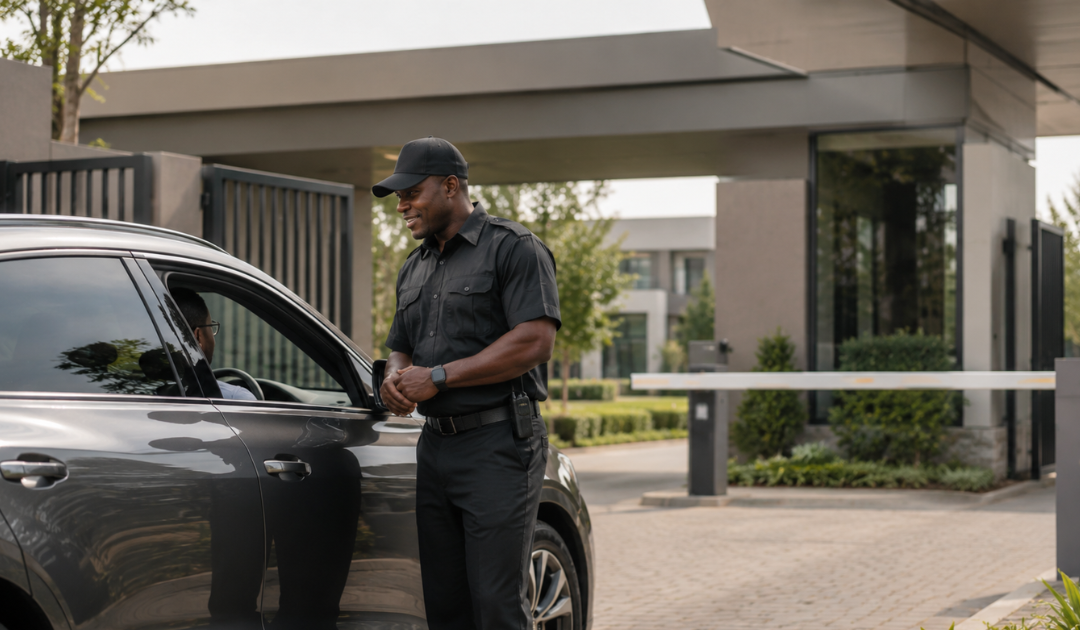
The visitor information available to the security team is a practical example of the difference a clear picture makes. When a visitor arrives, a guard who can see that the visitor is expected, having been pre-registered by a resident, can admit them confidently and smoothly, while a guard without this information must verify each arrival laboriously. Equipping the security team with visitor information turns the management of arrivals from a slow, uncertain process into a quick, confident one, which improves both security and the experience of everyone passing through the gate.
Situational awareness is the broader capability that a consolidated, real-time picture provides, and it is what distinguishes a security team that is in control from one that is merely reacting. When security personnel have a clear, current understanding of what is happening across the estate, they can anticipate, prioritise and respond effectively, managing the estate’s security proactively. This situational awareness depends entirely on having the right information available in a usable form, which is what the centralised dashboard and real-time monitoring provide, turning scattered data into the awareness that effective security requires.
The coordination between different members of a security team is greatly helped by everyone working from the same operational picture, which a centralised dashboard provides. When guards at the gate, personnel monitoring the estate, and managers coordinating the response all draw on the same consolidated information, they act on a shared understanding rather than each having their own partial view. This shared picture is what allows a security team to function as a coordinated whole rather than as individuals working in isolation, because effective security response often depends on different people acting in concert on the same information. The dashboard, by giving everyone the same current picture, is what enables this coordination, which fragmented systems actively undermine by leaving each person with a different fragment.
The value of a clear operational picture is perhaps most evident in how it supports good decisions under pressure, which is when security work is hardest. In a developing situation, the security team must make quick decisions, and the quality of those decisions depends heavily on the quality of the information available. A team with a clear, current, consolidated picture can decide and act with confidence, while a team assembling fragments under pressure is liable to misjudge the situation or respond too slowly. By providing the clear operational picture that good decisions require, the dashboard and real-time monitoring directly improve the security team’s effectiveness at exactly the moments that matter most, which is the ultimate purpose of equipping them with the right information.
A security team can only be as effective as the information it works with, and fragmented, delayed information hampers even capable personnel. Aregnum’s centralised dashboard and real-time monitoring equip estate security teams with a clear, current, consolidated operational picture, bringing together access, perimeter and visitor information for the people responsible for security. For an estate that wants its security to be genuinely effective rather than hampered by poor information, giving the security team the right operational picture is what allows them to do their job well.
Frequently Asked Questions
What does the centralised dashboard give security teams?
It provides estate managers, security personnel and trustees with a unified view of the estate’s access and security information, consolidating what would otherwise be scattered across disconnected systems into one clear operational picture.
How does it bring different systems together?
Because Aregnum integrates with cameras, fingerprint scanners, electric fences and RFID tags through APIs, the dashboard can consolidate what these various systems show, giving security staff a unified picture of access and perimeter activity.
Why does real-time information matter for security?
Security is a matter of the present moment. Real-time monitoring means the dashboard reflects the current situation, so security personnel can react promptly to anomalies, rather than acting on stale information that may no longer be true.
How does visitor information help guards?
A guard who can see that an arriving visitor was pre-registered by a resident can admit them confidently and smoothly, turning the management of arrivals from a slow, uncertain process into a quick, confident one that improves both security and experience.
See Aregnum in action
Ready to turn your community into an effortless, secure haven?