
Giving Managers, Security and Trustees What Each Needs
Summary: An estate has different people with different needs. This article looks at how Aregnum’s consolidated dashboard serves managers, security and trustees each according to their role.
An estate is run by different people with different roles: managers who handle its operation, security who protect it, and trustees who govern it. Each needs information about the estate, but each needs it for different purposes and in different form. A manager needs the operational picture, security needs the security picture, and trustees need the governance picture, and serving each according to their role is part of running the estate well. A consolidated dashboard that gives each of these roles what they need, drawn from the same underlying platform, is what supports the different people who run the estate.
The different roles have genuinely different information needs, which a one-size-fits-all approach serves poorly. A manager concerned with the estate’s daily operation needs different information from a security officer focused on the estate’s protection or a trustee responsible for its governance, and giving all of them the same undifferentiated view serves none of them well. Each role’s effectiveness depends on having the information relevant to it, presented usefully, which requires recognising that the roles differ. Serving the roles according to their different needs, rather than treating them identically, is what allows each to have the information their role requires.
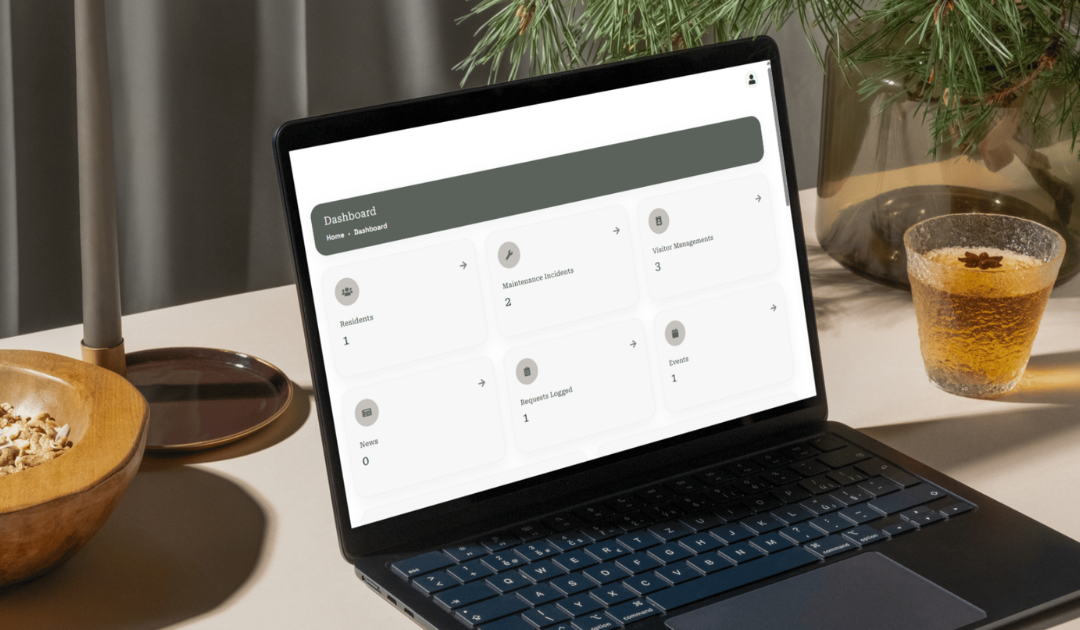
Aregnum provides a consolidated dashboard that serves managers, security and trustees, giving each the picture their role requires from the same underlying platform. The dashboard consolidates the estate’s information and presents it to serve the different roles, so managers, security and trustees each have access to the information relevant to them. Because it draws on the same underlying platform, the different roles work from consistent, shared information while each having the view their role requires. This consolidated dashboard is what serves the different people who run the estate, each according to their role.
For managers, the dashboard provides the operational picture needed to run the estate. A manager handling the estate’s operation needs to see its operational state: its activity, its finances, its maintenance, its residents, and the dashboard gives the manager this operational picture. This supports the manager in running the estate effectively, with the operational information their role requires available to them. The dashboard serves the manager by providing the operational oversight that running the estate depends on, giving them the picture they need to manage the estate’s day-to-day operation.
For security, the dashboard provides the security picture needed to protect the estate. Security personnel need to see the estate’s security state: access activity, visitor information, alerts, and the dashboard gives security this picture. This supports security in protecting the estate, with the security information their role requires available to them. The dashboard serves security by providing the security oversight that protecting the estate depends on, giving them the picture they need to monitor and respond to the estate’s security, which is central to their role.
For trustees, the dashboard provides the governance picture needed to oversee the estate. Trustees responsible for governing the estate need visibility of its overall state: its finances, its operation, its affairs, and the dashboard gives trustees this picture. This supports trustees in governing the estate, with the oversight their role requires available to them. The dashboard serves trustees by providing the governance oversight that responsible governance depends on, giving them the visibility they need to oversee the estate’s affairs and fulfil their governance responsibilities, which their role demands.
Serving the different roles from the same underlying platform keeps them working from consistent information, which supports their coordination. Because the manager, security and trustees all draw on the same underlying platform through the dashboard, they work from consistent information rather than separate, potentially conflicting sources, which supports their coordination in running the estate. When the different people running the estate share a consistent underlying picture, each viewing it according to their role, they can coordinate effectively rather than working from divergent information. This shared foundation, viewed according to each role, is what allows the different roles to work together coherently.
The way a role-appropriate dashboard reduces the noise each role has to deal with is a practical benefit, because each person sees what is relevant rather than everything. If everyone saw the same undifferentiated mass of information, each would have to sift through what is irrelevant to their role to find what matters to them, which is inefficient and frustrating. A dashboard that serves each role with the information relevant to it means each person deals with what matters to them rather than wading through the rest, which makes each role’s use of the information more efficient. This reduction of noise, presenting each role what is relevant rather than everything, is part of what makes the role-appropriate dashboard useful, letting each person work with their relevant information rather than the whole undifferentiated mass.
The value of the dashboard adapting as the estate’s needs and people change is worth noting, because roles and responsibilities shift over time. The people filling the manager, security and trustee roles change, and the estate’s needs evolve, so a dashboard that serves roles rather than particular individuals continues to serve whoever fills each role as the people change. This role-based approach means the dashboard’s usefulness persists through changes in personnel, serving each new person in a role as it served their predecessor, rather than being tied to particular individuals. This adaptability, serving roles rather than individuals, is part of what makes the dashboard durably useful, continuing to serve the estate’s different roles as the people filling them come and go over the estate’s life.
An estate is run by different people, managers, security and trustees, each needing information about the estate for different purposes and in different form. Aregnum’s consolidated dashboard serves each according to their role, giving managers the operational picture, security the security picture and trustees the governance picture, all drawn from the same underlying platform. For an estate run by different people with different roles, a dashboard that serves each appropriately while keeping them working from consistent information is what supports the whole team that runs the estate, giving each the view their role requires and the shared foundation their coordination depends on.
Frequently Asked Questions
Why do different roles need different views?
A manager concerned with daily operation needs different information from security focused on protection or a trustee responsible for governance. Giving all of them the same undifferentiated view serves none well, so serving each according to their role is part of running the estate well.
How does the consolidated dashboard help?
It consolidates the estate’s information and presents it to serve managers, security and trustees, each with access to the information relevant to their role, drawn from the same underlying platform so the different roles work from consistent, shared information.
What does each role get?
Managers get the operational picture needed to run the estate, security get the security picture needed to protect it, and trustees get the governance picture needed to oversee it, each having the information their role requires from the same underlying platform.
Why does drawing on the same platform matter?
Because the manager, security and trustees all draw on the same underlying platform, they work from consistent information rather than separate, potentially conflicting sources, which supports their coordination in running the estate, each viewing the shared picture according to their role.
See Aregnum in action
Ready to turn your community into an effortless, secure haven? Book a demo and we will show you how Aregnum fits your property.