
Collecting What You Need and No More
Summary: Visitor management involves personal information that must be handled with care. This article looks at how a considered approach to visitor data respects privacy while serving security.
Visitor management necessarily involves personal information. To manage visitors, a community records who they are and their comings and goings, and this is personal data that carries responsibilities. There is a tendency to treat visitor data purely as a security asset, to be collected as extensively as possible, but this overlooks the responsibility that handling personal information carries. A considered approach to visitor data balances the legitimate security purpose against the privacy of the visitors whose information is being handled, collecting and keeping what is needed for the purpose while respecting that this is personal data deserving of care.
The principle of collecting what is needed and no more is central to responsible data handling. Visitor management requires certain information to serve its purpose: enough to identify a visitor, tie them to their host, and maintain a useful record. It does not require collecting extensive personal information beyond what the purpose needs, and gathering more than necessary is both a privacy intrusion and a liability, as data collected must then be protected. A considered approach collects the information that visitor management actually requires, rather than accumulating personal data indiscriminately on the theory that more is always better.
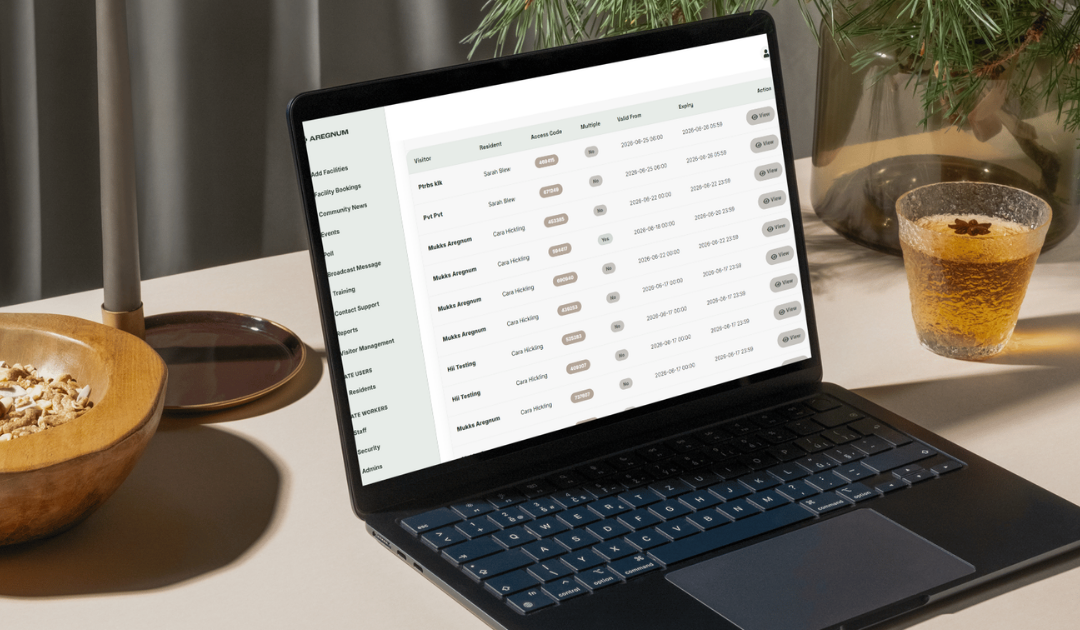
Aregnum’s pre-registration approach naturally aligns with collecting appropriate information for the purpose. The visitor code mechanism works on the basis of a resident authorising a visitor and the visitor presenting the code, which requires the information needed to manage the visit rather than extensive data collection from the visitor. The system captures what is needed to identify the visitor, tie them to the host, and record the visit, which serves the security purpose without demanding that visitors surrender extensive personal information. This alignment of the mechanism with appropriate data collection supports responsible handling.
The security purpose that justifies collecting visitor information is real and legitimate, and responsible handling serves it rather than opposing it. Recording who enters a community, tied to their host, is a legitimate security measure that protects residents, and the information collected for this purpose has a clear justification. Responsible data handling does not mean collecting nothing; it means collecting for a legitimate purpose and handling the data appropriately. The visitor record serves the genuine security purpose of knowing who has entered, which justifies the collection of the information needed for it, handled with due care.
Keeping visitor information secure is part of the responsibility that collecting it entails. Personal information, once collected, must be protected, and a considered approach to visitor data ensures the information is held securely rather than carelessly. This is both a matter of respecting the visitors whose data it is and a practical necessity, because carelessly held personal information is a liability. Handling visitor data through a proper platform, where it is held securely, is more responsible than the alternatives of paper registers left lying around or information scattered insecurely, which expose personal data to misuse. Secure handling is integral to responsible data management.
The connection between a visitor and their host, inherent in the pre-registration approach, actually supports responsible data handling by grounding each record in a legitimate purpose. Because each visitor is tied to the resident who authorised their visit, every piece of visitor data has a clear reason for existing: it relates to an authorised visit to a specific resident. This grounding of the data in a legitimate, specific purpose is more responsible than accumulating visitor information with no clear connection to why it was collected, and it means the community can account for why it holds the information it does, which is part of handling personal data properly.
Being thoughtful about visitor data also reflects well on a community and respects its visitors. A community that handles visitors’ personal information carefully, collecting what is needed and protecting it, treats its visitors with respect, whereas one that gathers excessive information or handles it carelessly does not. Visitors are more comfortable, and the community’s practices are more defensible, when data is handled responsibly. This respect for visitors’ privacy is part of the welcoming, professional character that good visitor management should have, complementing rather than conflicting with the security the management provides.
The trust that responsible data handling builds with visitors and residents alike is a genuine asset, because people are increasingly conscious of how their personal information is treated. A community that handles visitor data thoughtfully, collecting what is needed and protecting it, earns the confidence of the visitors whose information it holds and the residents who value a community that respects personal information. This trust matters in an era when careless handling of personal data is both more consequential and more likely to be noticed and resented. By treating visitor information responsibly, a community positions itself as one that can be trusted with the personal information it necessarily handles, which reflects well on it and avoids the reputational and practical damage that careless data handling can cause.
The alignment between responsible data handling and good security practice is worth emphasising, because the two are complementary rather than in tension. It might seem that security favours collecting as much information as possible, but in fact a focused approach that collects what is needed for a clear purpose, handled securely, serves security better than an indiscriminate accumulation of poorly protected data. Data collected for a clear purpose and properly managed is more useful and less of a liability than a sprawling, insecure collection, and the discipline of responsible handling produces a visitor management that is both more respectful of privacy and more soundly run. Responsible data handling and effective security thus point in the same direction, which is toward collecting appropriately, protecting properly, and grounding the data in the legitimate purpose it serves.
Visitor management involves personal information that carries real responsibilities, and treating visitor data purely as a security asset to be maximally collected overlooks the care that handling personal information requires. A considered approach, collecting what the purpose needs and no more, holding it securely, and grounding it in the legitimate purpose of managing authorised visits, respects visitors’ privacy while serving security. Aregnum’s pre-registration approach aligns naturally with this responsible handling. For a community that wants to manage visitors well while respecting the personal information involved, handling visitor data responsibly is both an ethical obligation and part of good, defensible practice.
Frequently Asked Questions
What does responsible visitor data handling mean?
It means balancing the legitimate security purpose against visitors’ privacy, collecting the information that visitor management actually requires and no more, holding it securely, and grounding it in the legitimate purpose of managing authorised visits.
Does responsible handling mean collecting less information?
It means collecting what is needed for the purpose rather than accumulating personal data indiscriminately. Gathering more than necessary is both a privacy intrusion and a liability, so a considered approach collects what visitor management actually requires.
How does pre-registration support responsible data handling?
The visitor code mechanism works on a resident authorising a visitor who presents a code, capturing what is needed to identify the visitor, tie them to their host and record the visit, without demanding extensive personal information, which aligns with appropriate collection.
Why does the host connection help with data responsibility?
Because each visitor is tied to the resident who authorised their visit, every piece of visitor data has a clear reason for existing, relating to an authorised visit to a specific resident, which is more responsible than accumulating information with no clear connection to why it was collected.
See Aregnum in action
Ready to turn your community into an effortless, secure haven?