
Making Shared Commercial Amenities Work for Every Tenant
Summary: Office parks increasingly offer shared meeting rooms and facilities that need fair allocation. This article looks at how Aregnum’s facility booking keeps shared commercial amenities running smoothly.
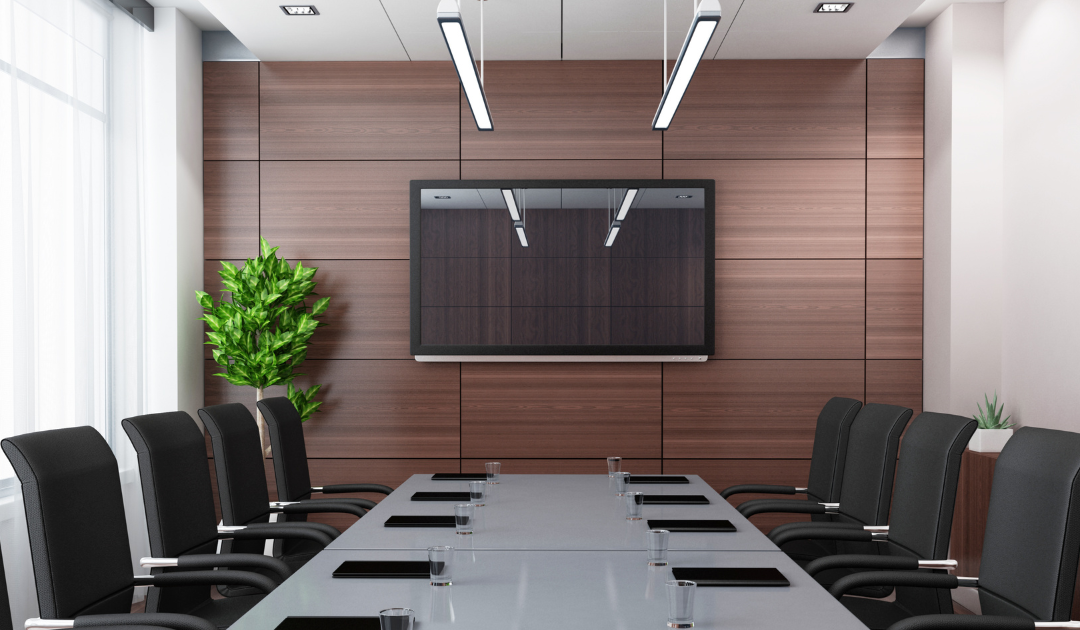
Modern office parks increasingly offer shared facilities that individual tenants could not justify on their own: meeting rooms, conference spaces, event venues, shared kitchens and break areas. These shared amenities add real value, giving tenants access to professional spaces for client meetings, presentations and events without each business having to dedicate its own floor space to facilities used only occasionally. But shared facilities, by definition, have to be allocated among tenants who all have a claim on them, and that allocation needs managing.
When shared facility booking is handled informally, the same problems arise that afflict any shared resource. Two tenants believe they have booked the conference room for the same client meeting. A tenant arrives to find the meeting room they expected to use is occupied. The best facilities are monopolised by a few tenants while others struggle to get access. Nobody is quite sure how to reserve a space or whether their booking is confirmed. For commercial tenants, these failures are not minor irritations; a double-booked client meeting is a professional embarrassment that reflects badly on the tenant and the park.
Aregnum’s facility management lets tenants book shared facilities smoothly through the platform, managing and optimising bookings to enhance the tenant experience while maximising the use of the amenities. Bookings are clear, confirmed and visible, which prevents the double-bookings and uncertainty that plague informal arrangements. A tenant reserving the conference room for a client meeting can do so with confidence that the booking is secure and the room will be available, which matters a great deal when the meeting is with an important client.
Maximising the use of shared facilities serves the park’s interest in its investment. The park has provided these amenities to add value and attract tenants, and that value is only realised if the facilities are actually used. Facilities that are hard to book or whose availability is unclear end up underused, as tenants give up rather than navigate the hassle. A smooth booking process makes the amenities genuinely accessible, so tenants use them, the investment pays off, and the shared facilities become a real selling point of the park rather than an underused overhead.
Fairness in allocation is important for tenant relations. Shared facilities belong to all tenants, and an informal system tends to favour the most assertive or best connected, leaving others perpetually shut out. An organised booking system allocates facilities on a clear, visible basis, treating tenants even-handedly. In a commercial setting where tenants are paying customers, perceived unfairness in access to shared amenities is a genuine grievance that can sour the relationship between tenants and park management, and fair, transparent booking removes that source of friction.
There is an administrative benefit for park management. Handling facility bookings informally generates disputes that management then has to resolve: who booked the room, whether a reservation was confirmed, why two tenants were double-booked. Each of these consumes management’s time and goodwill. An organised booking system handles reservations cleanly and keeps a clear record, removing both the routine work of managing bookings and the disputes that informal handling generates. Management is freed from refereeing facility squabbles and can focus on running the park.
Because facility booking is part of the same platform that handles the park’s tenant management and other operations, bookings are tied to verified tenants and sit alongside the park’s other functions. There is no separate booking tool to manage, and the facility bookings are part of the coherent whole of how the park operates. This integration keeps things simple for tenants and management and connects facility use to the park’s broader understanding of its tenants, rather than being an isolated add-on.
The professional context of an office park raises the stakes of facility management above what applies in a purely residential setting, because the facilities are often used for business purposes where failures carry real consequences. A meeting room booked for a client presentation, a conference space reserved for an important negotiation, an event venue secured for a tenant’s function: these are not casual uses where a mix-up is merely annoying, but business occasions where a double-booking or an unavailable room can damage a tenant’s dealings and reflect poorly on the park as a place to do business. The reliability that a proper booking system provides is therefore not just a convenience but a protection of the tenants’ business interests, which is exactly what commercial tenants expect from the park they pay to occupy.
A clear booking record also supports the park in managing its shared facilities as the valuable assets they are. When the park can see how its meeting rooms and event spaces are actually used, it can make informed decisions about them: whether a heavily booked facility justifies expansion, whether an underused one should be repurposed, how to schedule cleaning and maintenance around actual usage. This visibility turns the shared facilities from a static amenity into something the park actively manages in response to real demand, ensuring the investment in them continues to deliver value. For a park that has committed resources to providing shared facilities, understanding and managing their use through the booking record is part of making that investment pay off over time.
Shared facilities are an increasingly valuable feature of office parks, but only if they are allocated smoothly and fairly rather than becoming a source of double-bookings and disputes. Aregnum’s facility management gives tenants clear, confirmed, visible bookings that prevent conflict, maximise use of the amenities, and free management from refereeing reservations. For an office park that offers shared meeting rooms and facilities, a proper booking system is what ensures those amenities deliver the professional convenience and value they were meant to provide.
Frequently Asked Questions
How do tenants book shared facilities on Aregnum?
Tenants book shared facilities such as meeting rooms and event spaces through the platform, with clear, confirmed and visible bookings that prevent the double-bookings and uncertainty common to informal arrangements.
Why does smooth booking matter for commercial tenants?
A double-booked client meeting is a professional embarrassment that reflects badly on the tenant and the park. Confirmed, secure bookings give tenants confidence that a reserved space will be available when it matters, such as for an important client meeting.
Does booking help shared facilities get used more?
Yes. By making amenities easy and clear to book, the system maximises their use, so the park’s investment in shared facilities pays off and they become a real selling point rather than an underused overhead.
How does organised booking reduce work for management?
It handles reservations cleanly and keeps a clear record, removing both the routine work of managing bookings and the disputes informal handling generates, so management is freed from refereeing facility squabbles.
See Aregnum in action
Ready to turn your community into an effortless, secure haven?