
Designing the Whole Visit, Not Just the Gate
Summary: Good visitor management considers the entire visit, not just the moment of entry. This article looks at how Aregnum manages the full visitor journey from pre-registration to check-out.
Visitor management is often reduced to the single moment of entry: getting the visitor through the gate. But a visit is a journey, not a moment. It begins before the visitor arrives, with the host arranging the visit, continues through their arrival and entry, encompasses their time on the property, and ends with their departure. Good visitor management considers this whole journey rather than just the gate, because a smooth visit depends on every stage working well, and a system that handles only entry leaves the rest of the journey to chance.
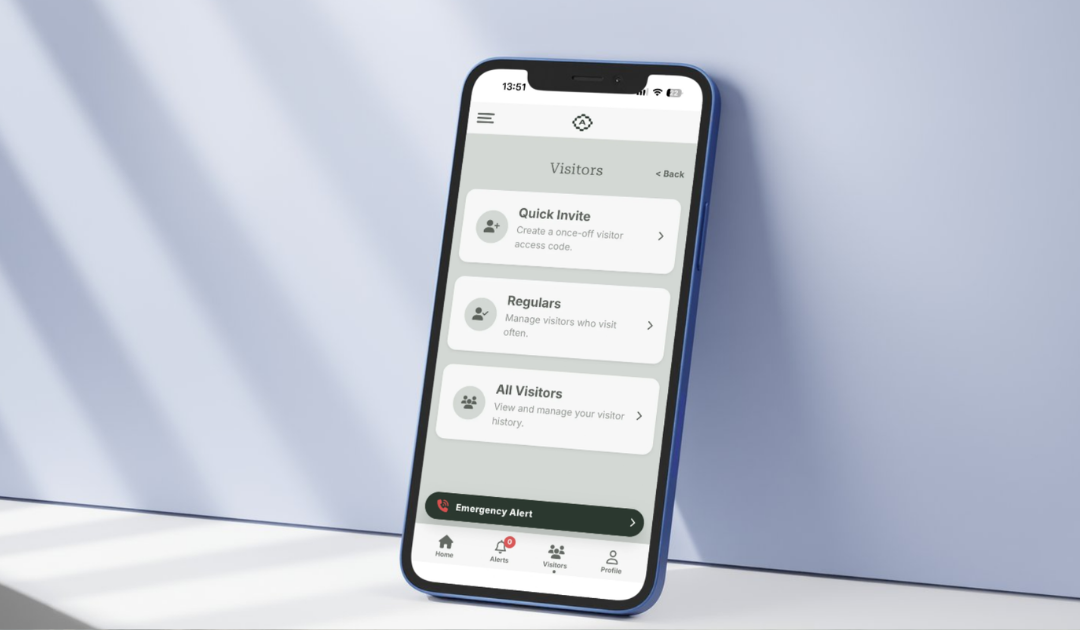
Aregnum’s visitor management is designed around the complete journey, simplifying the process from pre-registration to check-in and check-out, ensuring a hassle-free experience for both visitors and staff. Rather than focusing solely on the moment of entry, it manages the visit from the host’s initial arrangement through to the visitor’s departure. This whole-journey approach is what delivers a genuinely smooth visit, because each stage is handled rather than only the one in the middle.
The journey begins with pre-registration, before the visitor has even set out. The host arranges the visit by sending the visitor a code through WhatsApp, email or SMS. This first stage sets up everything that follows: the visitor is expected, the visit is tied to the host, and the basis for a smooth arrival is established. Handling this initial stage well, by making it effortless for the host, is what ensures the rest of the journey goes smoothly, because a visit that is properly arranged in advance is a visit that flows when the visitor arrives.
Check-in is the arrival stage, where the visitor presents their code and gains entry. Because the visit was pre-registered, this stage is smooth: the visitor is recognised as expected and admitted without the friction of being vetted from scratch. The work done at pre-registration pays off here, turning what would otherwise be an uncertain negotiation at the gate into a straightforward, welcoming arrival. The visitor moves from outside to inside the property smoothly, which is the impression the property wants to make.
The visitor’s time on the property is part of the journey too, and managing the visit means the property is aware of the visitor’s presence throughout, not just at the moments of entry and exit. The visitor is a known, expected presence tied to their host, rather than an anonymous person whose status is uncertain. This awareness of current presence, between check-in and check-out, is part of what whole-journey management provides, supporting the property’s security and its ability to account for who is currently on the premises.
Check-out completes the journey, recording the visitor’s departure. This final stage is what gives the property an accurate picture of who has left and who remains, and it completes the record of the visit from beginning to end. A smooth check-out also ensures the visitor’s experience is coherent through to the end, rather than a smooth arrival followed by a confused departure. Handling the exit as part of the managed journey means the visit concludes as cleanly as it began, which matters for both the record and the visitor’s overall impression.
Considering the whole journey benefits both visitors and staff, which is the point of the hassle-free experience the approach delivers. Visitors experience a coherent, smooth visit from arrangement through arrival to departure, rather than a single managed moment surrounded by friction. Staff, where present, handle the visit as a managed process rather than improvising each stage, which reduces their load and the scope for things to go wrong. The whole-journey design serves everyone involved by making the entire visit work rather than just one part of it.
Thinking of the visit as a journey rather than a moment changes how a property evaluates its visitor management, shifting the question from whether the gate works to whether the whole experience works. A property focused only on the gate might consider its visitor management adequate if entry functions, while overlooking the friction a visitor encounters in being arranged for, in their time on the property, or in their departure. A property thinking in terms of the whole journey asks whether each stage works and whether they connect smoothly into a coherent experience, which is a higher and more useful standard. This whole-journey perspective is what drives genuine improvement in how visits are handled, because it attends to the entire experience the visitor actually has rather than just the one stage that is most obvious.
The coherence of a well-managed journey also reflects on the property and the host in ways that matter beyond the individual visit. A visitor who experiences a smooth, well-organised visit from arrangement through to departure comes away with a positive impression of the property and of the resident or tenant they visited, while a visitor who encounters friction and confusion forms the opposite impression, however good the underlying property. For a resident receiving a guest or a tenant receiving a client, the smoothness of the visit their visitor experiences is part of how they and their property are perceived. Managing the whole journey well therefore serves not just operational efficiency but the impression the property and its members make on everyone who visits, which is a genuine and often underappreciated benefit.
A visit is a journey from arrangement to departure, and visitor management that considers only the moment of entry leaves most of that journey to chance. Aregnum manages the complete journey, from pre-registration through check-in to check-out, delivering a hassle-free experience for visitors and staff alike. For a property that wants its visits to be genuinely smooth rather than just controlled at the gate, designing for the whole visitor journey is what turns visitor management from gate control into a coherent, well-handled experience from beginning to end.
Frequently Asked Questions
What does managing the whole visitor journey mean?
It means handling the visit from the host’s initial arrangement through pre-registration, check-in, the visitor’s time on the property, and check-out, rather than focusing solely on the moment of entry at the gate.
How does pre-registration help the rest of the visit?
Pre-registration sets up everything that follows: the visitor is expected, the visit is tied to the host, and the basis for a smooth arrival is established, so the visit flows when the visitor arrives rather than becoming an uncertain negotiation at the gate.
Why does check-out matter to the journey?
Check-out records the visitor’s departure, giving the property an accurate picture of who has left and who remains, completing the record of the visit, and ensuring the visitor’s experience is coherent through to the end rather than ending in confusion.
Who benefits from whole-journey management?
Both visitors and staff. Visitors experience a coherent, smooth visit from arrangement to departure, while staff handle the visit as a managed process rather than improvising each stage, which reduces their load and the scope for things to go wrong.
See Aregnum in action
Ready to turn your community into an effortless, secure haven?