
Why the First and Last Days Matter Most for Estate Security
Summary: The moments when a resident joins or leaves an estate are when most security and admin gaps appear. This article looks at how a connected platform makes onboarding welcoming and offboarding secure.
The day a resident moves into an estate and the day they move out are two of the most important moments in the entire relationship between the community and that household, yet they are often the most poorly handled. These transitions are where security gaps open, where data becomes inaccurate and where residents form lasting impressions of how well run their community is. Getting them right is disproportionately valuable, and getting them wrong creates problems that linger for months.
Start with onboarding. A new resident arriving at an estate has a long list of things they need: access credentials so they can get through the gate, an account on the community app, their vehicle registered, their contact details recorded, and an understanding of the estate’s rules and channels. In a fragmented setup, each of these is a separate errand, often handled by different people on different timelines. The resident’s tag works but their app account does not. Their details are in the gate system but not in the contact list the trustees use. The experience is disjointed, and the estate’s records start their life already incomplete.
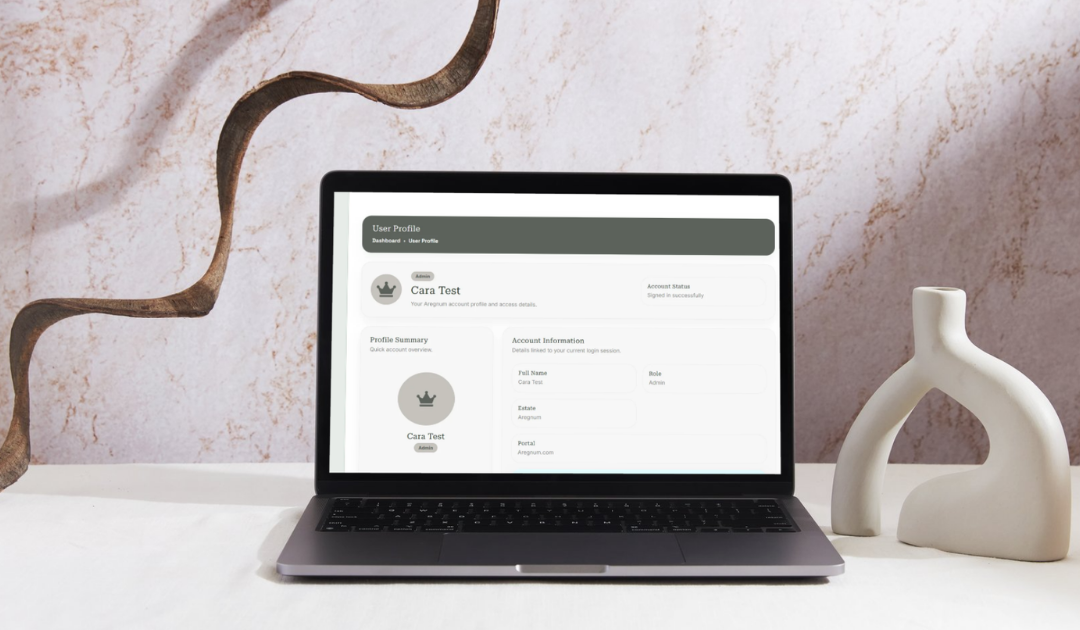
When onboarding runs through a single platform, these elements come together as one process. Creating a resident in Aregnum establishes their profile, their app access and their access permissions as connected parts of the same record. The new resident gets a coherent welcome rather than a series of disconnected handovers, and the estate’s records are accurate from day one because they were all created together. This also means the estate is not relying on someone to remember to complete a separate step later, which is exactly where data quality usually breaks down.
A good onboarding experience also sets the tone for the resident’s whole relationship with the community. People form quick judgements about how well something is run based on their first interaction with it. A resident who is welcomed smoothly, who can immediately use the app to pre-authorise their first visitor and log their first maintenance request, starts out trusting the estate’s management. A resident whose first week is a frustrating sequence of things not working starts out sceptical, and that scepticism colours every later interaction.
Offboarding is the mirror image, and it is where the security stakes are highest. When a resident leaves, the estate needs to do several things promptly: deactivate their access credentials, close or transfer their app account, and update its records so that reporting and communication remain accurate. The danger, as with phantom credentials, is that offboarding is treated as an afterthought. The resident has left, the urgency has passed, and the deactivation that should have happened never does. The estate is left carrying an active credential for someone who no longer lives there.
On a connected platform, offboarding a resident addresses these elements together. Removing or deactivating the resident’s profile handles their access at the same time, rather than leaving it as a separate manual task. The estate’s access list stays honest, its contact records stay current, and its reporting reflects who actually lives in the community now. This is not a minor housekeeping benefit, it is a core part of keeping the estate secure, because an estate’s security depends on its access list reflecting reality.
There is a data quality dimension that compounds over time. An estate that handles onboarding and offboarding cleanly maintains accurate records year after year. An estate that handles them loosely accumulates errors: duplicate profiles, active credentials for departed residents, contact details for people who have moved on, vehicles registered to households that no longer exist. Eventually the records become so unreliable that they cannot be trusted for security or communication, and cleaning them up becomes a major project. Doing the transitions properly each time avoids ever reaching that point.
For managing agents and estate managers, streamlined transitions are also a matter of workload. In a manual setup, every move-in and move-out generates a flurry of separate tasks across separate systems, and the agent has to coordinate them all. When the transition is a single coherent process in one platform, the workload drops and the chance of something being missed drops with it. For agents managing multiple estates, this efficiency is significant.
Aregnum’s onboarding process for new estates is itself built on this understanding. We help estates establish clean records from the outset, so that the platform reflects the real state of the community rather than importing years of accumulated errors. From there, the ongoing onboarding and offboarding of individual residents follows the same connected logic, keeping the estate’s data trustworthy as people come and go.
The financial dimension of clean offboarding is rarely discussed but is genuinely significant for an estate’s costs. Access credentials and the licence capacity they consume are not free, and an estate carrying a backlog of credentials for departed residents may be paying, directly or indirectly, for capacity it is wasting on people who no longer live there. Beyond the direct cost, the administrative time spent later trying to untangle who is who in a degraded resident list is itself expensive. Clean offboarding, by keeping the resident list accurate and the credential count honest, avoids both the wasted capacity and the eventual cost of a cleanup. Doing the transition properly each time is cheaper than paying for the consequences of doing it loosely.
Onboarding is also an opportunity to set expectations and establish good habits with new residents, which pays off throughout their time in the community. A structured onboarding through the platform is a natural moment to introduce residents to how the estate communicates, how to pre-authorise their visitors, and how to log maintenance issues. A resident who learns these channels at the start uses them from the start, which means the estate’s systems work as intended rather than being bypassed by residents who never understood them. An estate where residents are properly inducted onto the platform gets far more value from that platform than one where residents are left to work it out, and the onboarding moment is when that induction is most naturally done.
The handling of tenants, as opposed to owners, adds a layer that makes clean transitions even more important in many estates. Rental properties change occupants more frequently than owned ones, which means more onboarding and offboarding events and more opportunities for credentials and records to fall out of step. An estate with a significant proportion of rented homes is managing a higher rate of transitions, and the discipline of handling each cleanly matters proportionally more. A platform that makes each transition a single coherent process is especially valuable where transitions are frequent, because it prevents the higher turnover from translating into a faster accumulation of errors and phantom credentials.
It is worth acknowledging that transitions involve people, not just records, and a good process respects that human dimension. A resident moving out may be leaving a home they loved, and a resident moving in is beginning a significant chapter of their life. Handling these moments smoothly and professionally, rather than as a bureaucratic muddle, is part of treating residents as people rather than entries in a database. An estate that manages transitions gracefully communicates respect for its residents at exactly the moments when that respect is most felt. The operational benefits of clean transitions are real, but so is the simple fact that doing them well is part of running a community that people are glad to be part of.
Seen together, onboarding and offboarding define the boundaries of an estate’s relationship with each household, and handling those boundaries well shapes everything in between. A resident welcomed smoothly begins trusting the estate; a resident offboarded cleanly leaves without becoming a lingering security gap. Between those two moments lies the whole of the resident’s time in the community, and the quality of the records, access and communication that support that time depends heavily on having got the boundaries right. An estate that treats these transitions as the high-stakes moments they are, rather than as afterthoughts, builds its whole relationship with each resident on a sound footing. A platform that makes the transitions coherent and clean is therefore not just easing two administrative moments but strengthening the foundation of every resident relationship the estate maintains. An estate that masters these two moments, treating each move-in and move-out as the consequential transition it is, finds that the quality of its records, its security and its resident relationships all rest on a sounder footing than an estate that lets the boundaries blur. Getting the edges right is what keeps the middle sound.
The first and last days of a resident’s time in an estate deserve more attention than they usually get. They are when security gaps open and when data quality is won or lost. Handling them through a connected platform, where access, identity and records move together, turns these high-risk moments into routine, well-managed processes. That is better for the resident, better for the estate’s security, and better for the people who have to keep the whole community running.
Frequently Asked Questions
What happens to a resident’s access when they leave?
On Aregnum, offboarding a resident handles their access as part of the same process, so their credentials are deactivated rather than left active. This keeps the estate’s access list accurate and secure.
Does onboarding a new resident set up their app and access together?
Yes. Creating a resident establishes their profile, app access and access permissions as connected parts of one record, so the resident gets a coherent experience and the estate’s records are accurate from the start.
Can Aregnum help us clean up inaccurate resident records?
Our onboarding process for new estates is designed to establish clean records from the outset rather than importing accumulated errors. We can work with you to get your data into a trustworthy state.
Does streamlined onboarding reduce work for our managing agent?
Yes. When move-ins and move-outs are a single coherent process in one platform rather than separate tasks across separate systems, the workload drops and fewer things are missed, which is especially valuable for agents managing several estates.
See Aregnum in action
Ready to turn your community into an effortless, secure haven?